How to Turn Bad Days into Better Days
Begin step 1How to Turn Bad Days into Better Days is a short visual guide for moments connected to low mood.
It covers one core idea: low mood makes decisions difficult, and perfectionism requires you to find the perfect option before taking action.
You will ask: “What is the smallest good enough step possible today?”, then choose what fits next.
The aim is A gentler next hour.
Optional soundscape
Go deeper with background music
Keep the volume soft while you read and reflect. It loops gently and can be stopped at any moment.
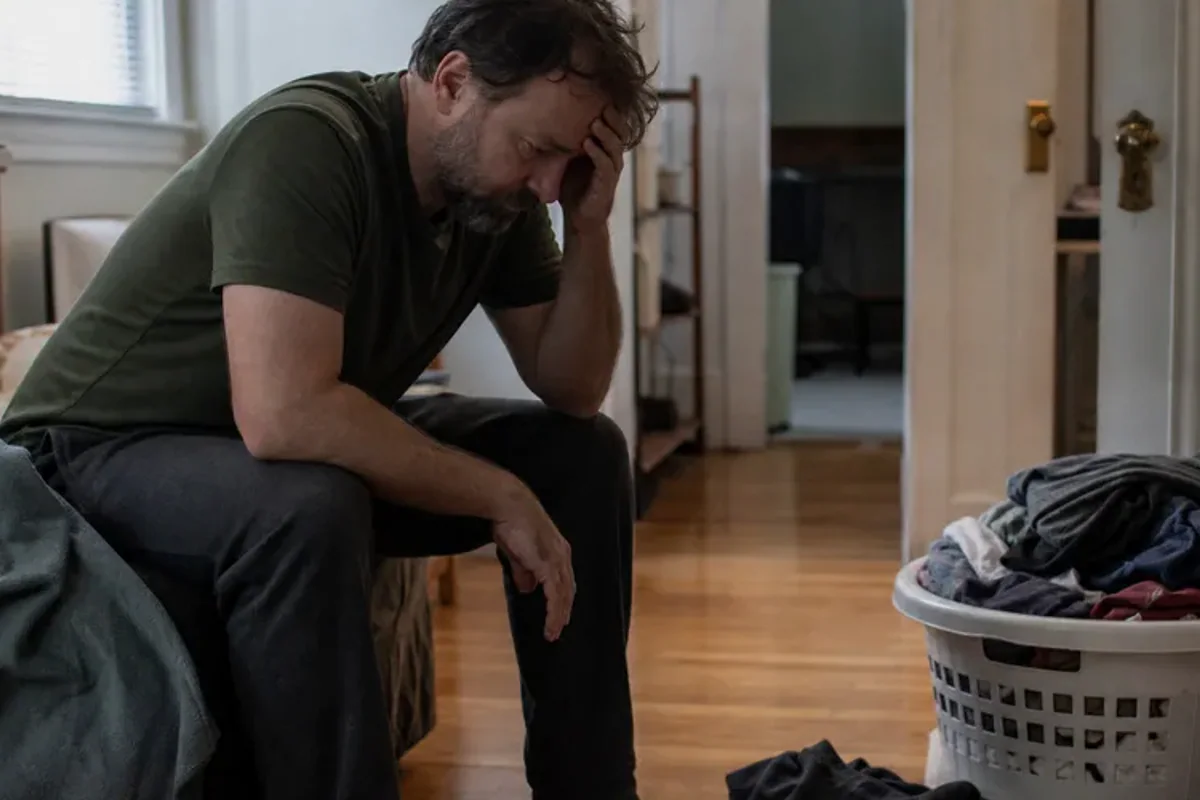
Step 1 of 5
Check your starting point: How to Turn Bad Days into Better Days
When the day gets darker and your mind notices only evidence that matches the mood…
Notice what fits this situation today:
- Perfectionism paralyzes choice
- A Good Enough Step Creates Movement
- self-compassion supports action
- I am not sure yet—I just want to understand
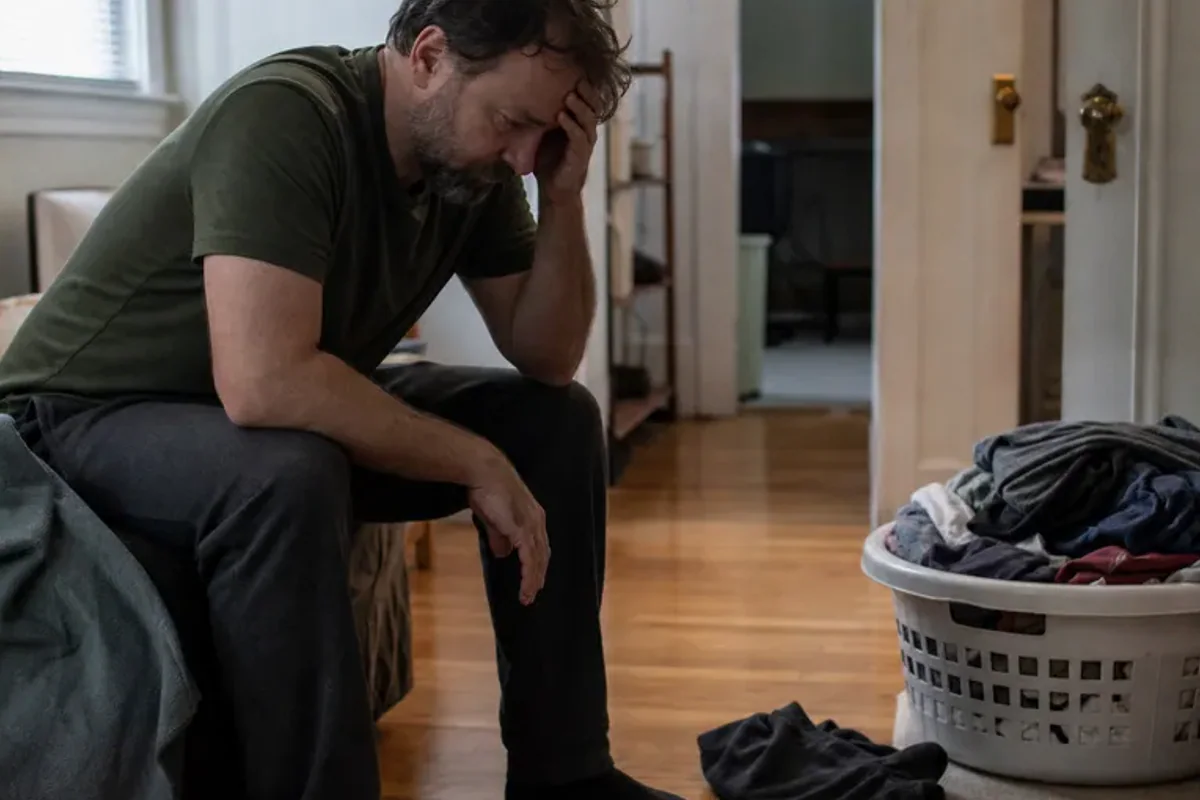
Step 2 of 5
Low mood makes decisions difficult, and perfectionism requires you to find the perfect option before taking…
- Low mood makes decisions difficult, and perfectionism requires you to find the perfect option before taking action.
- It's more helpful to take a small enough step, focus on the desired direction, and talk to yourself as carefully as you would to a loved one on a bad day.
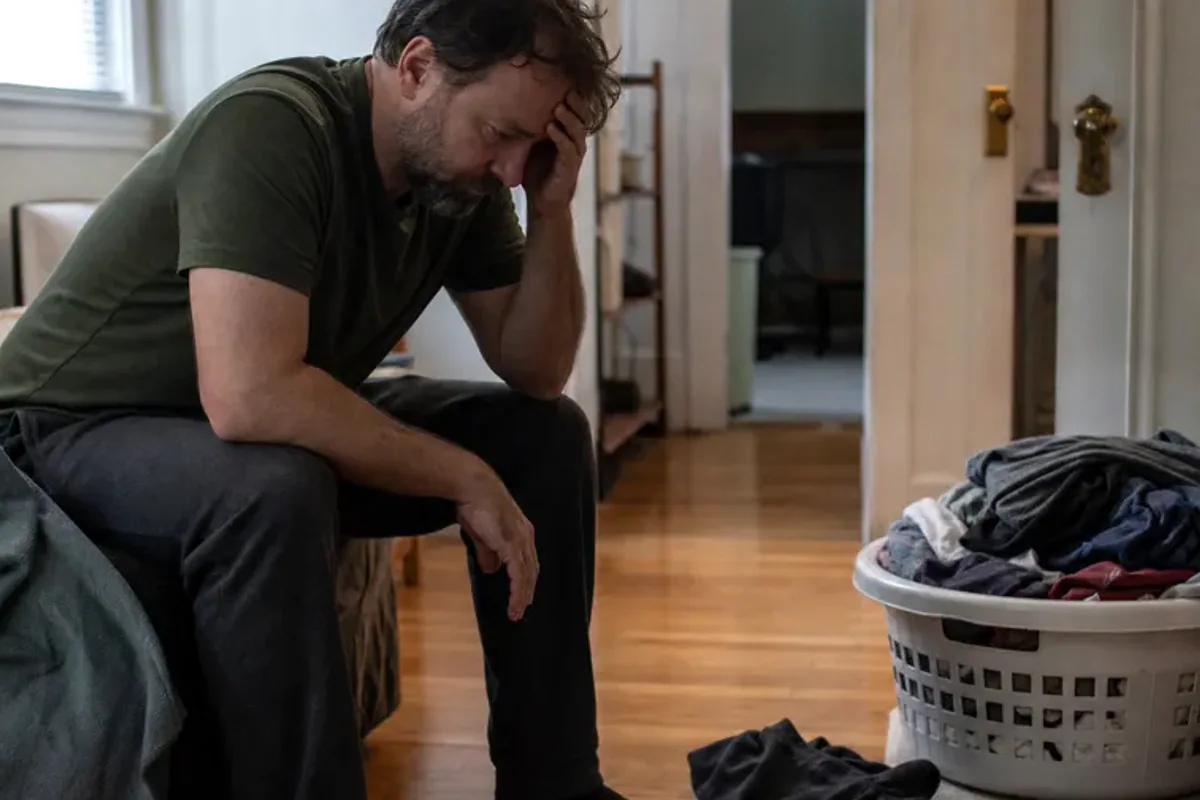
Step 3 of 5
Ask: “What is the smallest good enough step possible today?”
- Pause for a few seconds. Check whether this practice feels safe enough right now.
- Ask: “What is the smallest good enough step possible today?”.
- Notice what changed in your body or thoughts. Do not grade yourself—collect information.
Quick check after the practice:
- What changed, even by 1%?
- What stayed the same?
- What do you need now: continue, stop, or ask someone for support?
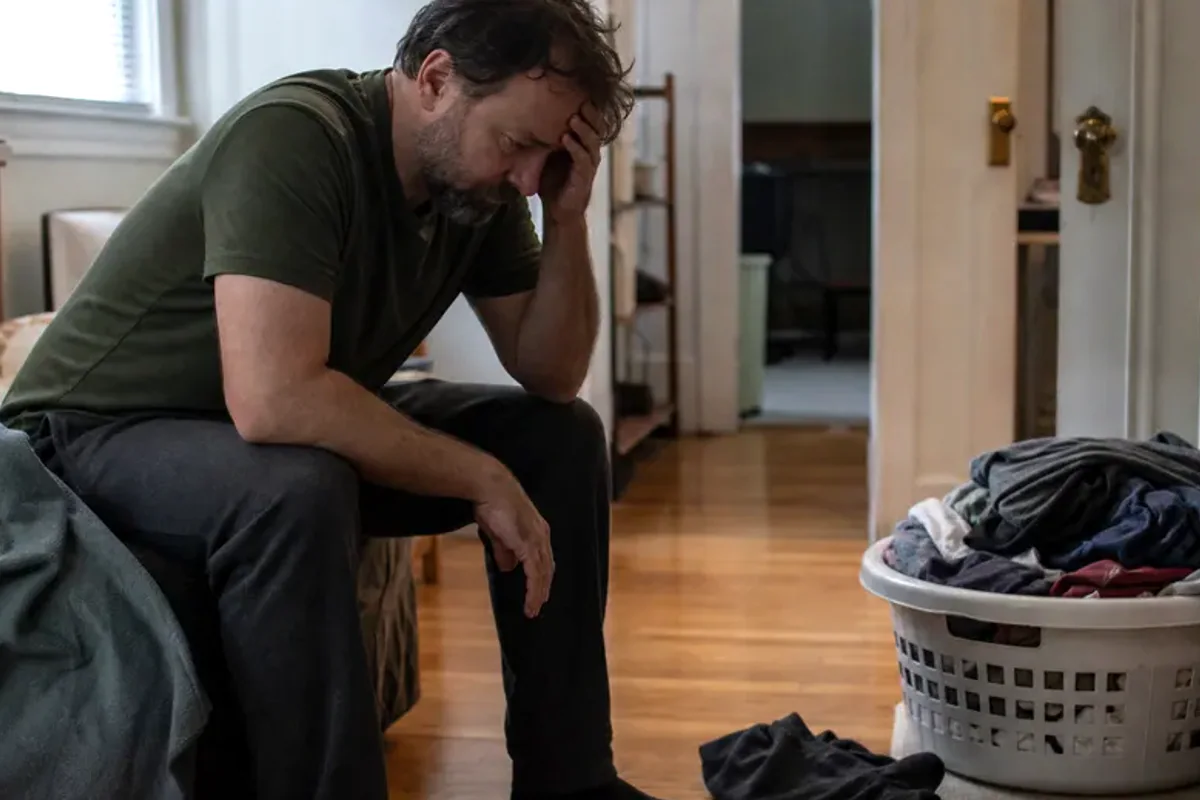
Step 4 of 5
What this may change: How to Turn Bad Days into Better Days
A gentler next hour.
The useful shift is more clarity, less autopilot, and one available choice.
Step 5 of 5
Choose a next step: How to Turn Bad Days into Better Days
You do not have to resolve this whole situation today. You worked directly with “How to Turn Bad Days into Better Days” and chose one possible response.
Choose what fits now: