You Are Not Your Mistakes
Begin step 1You Are Not Your Mistakes is a short visual guide for moments connected to personal identity.
It covers one core idea: failure is painful, but it does not define a person.
You will ask: “What can I fix and learn without declaring myself a mistake?”, then choose what fits next.
The aim is a more flexible self-story that supports action.
Optional soundscape
Go deeper with background music
Keep the volume soft while you read and reflect. It loops gently and can be stopped at any moment.
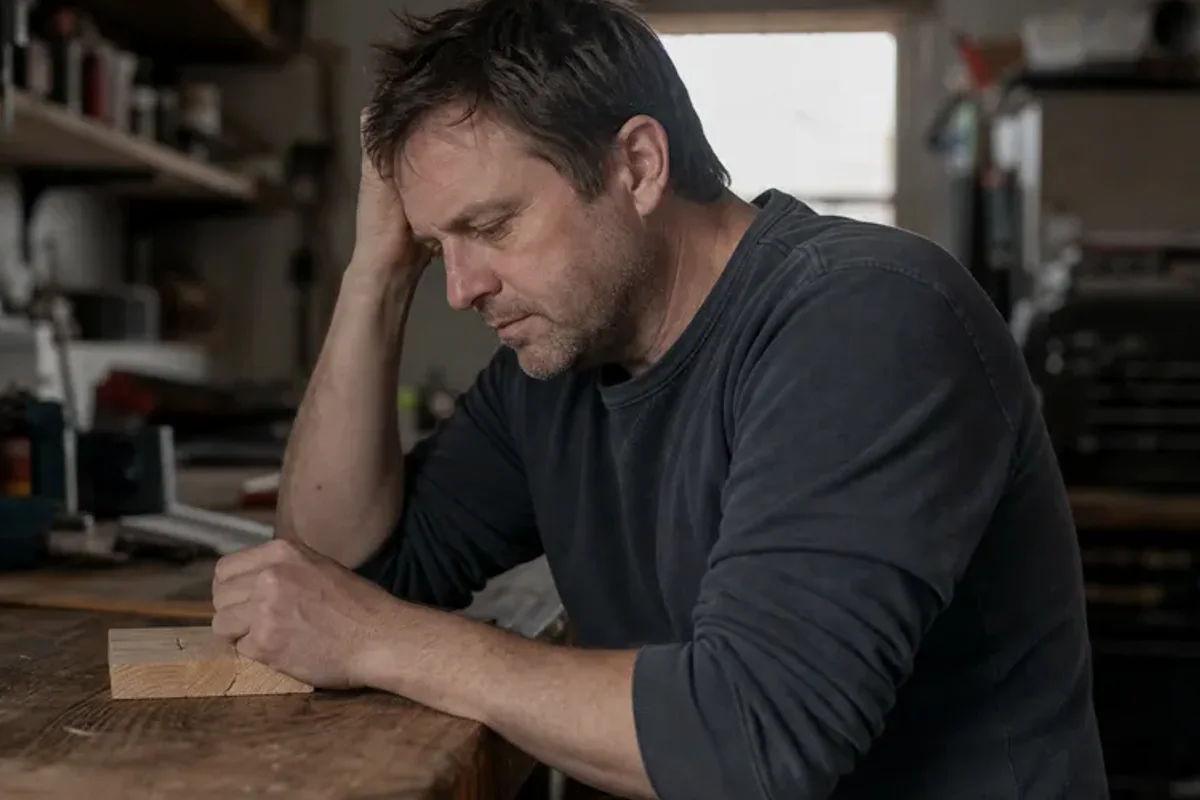
Step 1 of 5
Check your starting point: You Are Not Your Mistakes
When an old story about who you are starts to feel like a locked room…
Notice what fits this situation today:
- Error does not equal identity
- Someone else's reaction does not measure human worth
- Blocking behavior signals shame
- I am not sure yet—I just want to understand
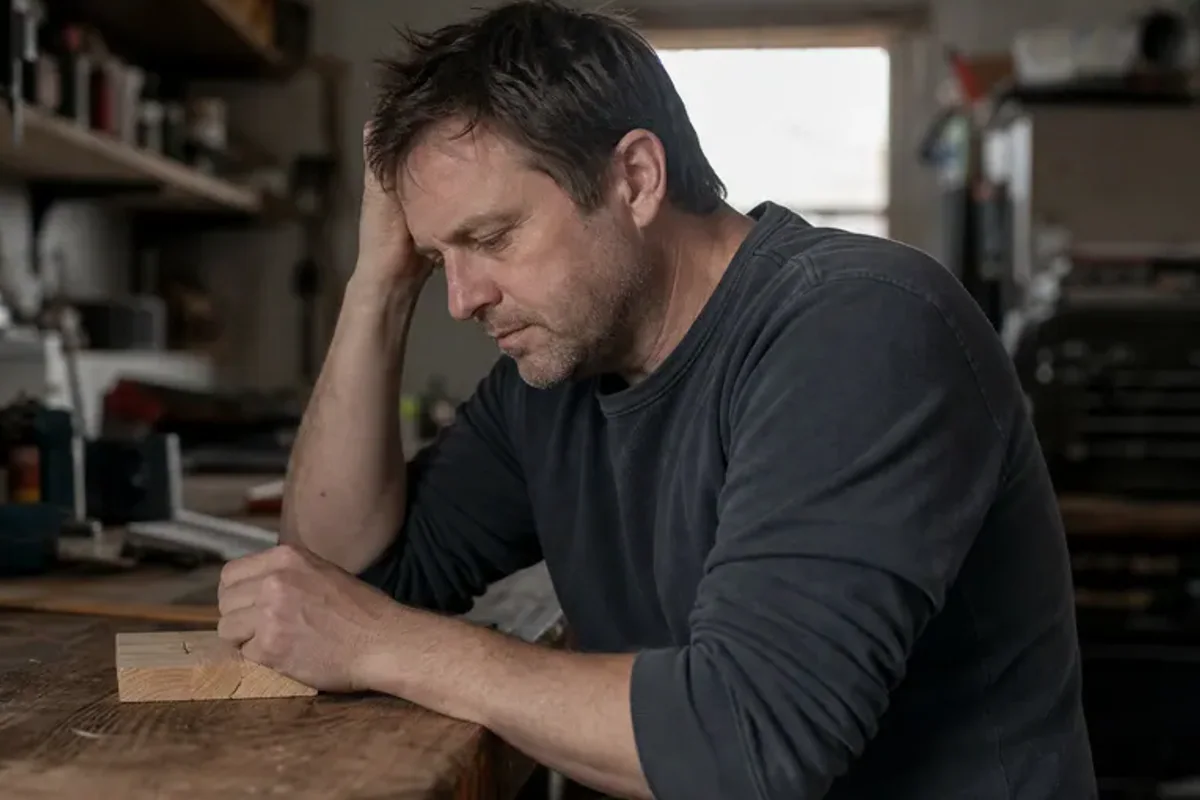
Step 2 of 5
Failure is painful, but it does not define a person
- Failure is painful, but it does not define a person.
- Distance from the history of the mind, naming the emotion and the position of the internal coach turn a mistake into learning.
- Values help to choose an action for which a person will be grateful to himself later.
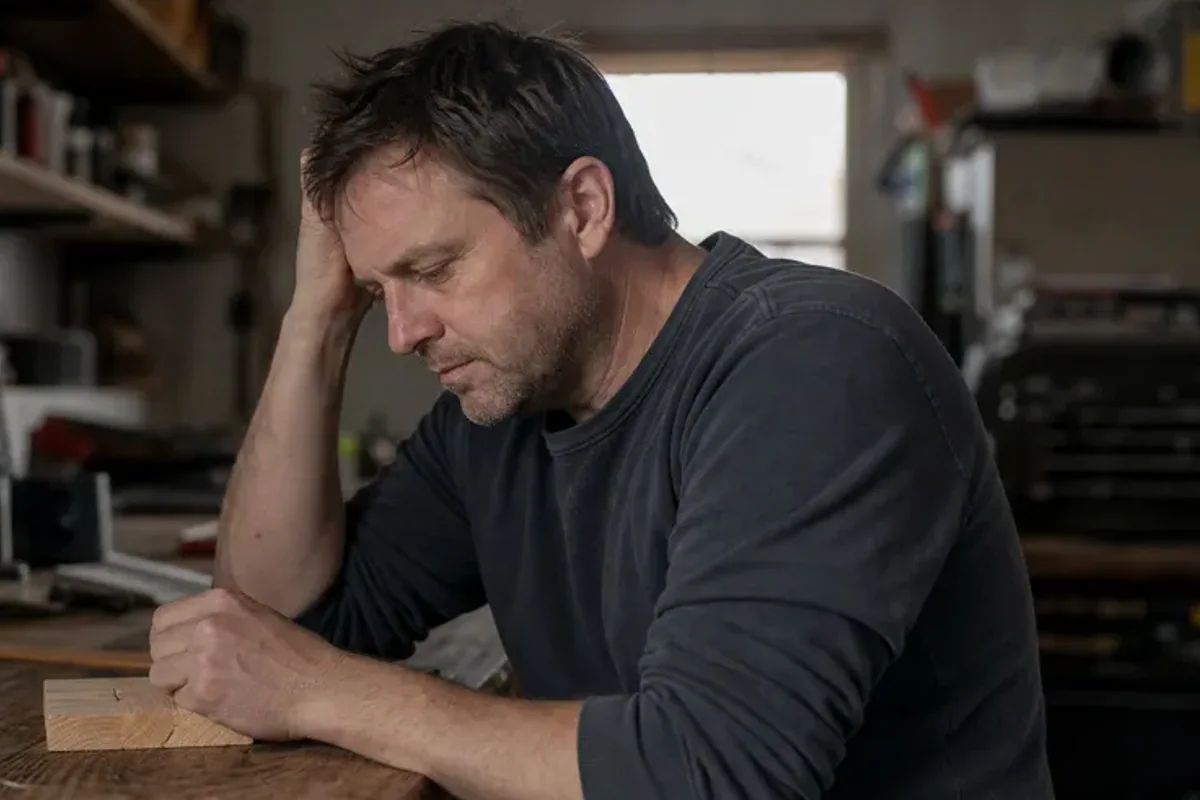
Step 3 of 5
Map the pattern: You Are Not Your Mistakes
Look at the moving parts of You Are Not Your Mistakes one at a time:
- Error does not equal identity.
- Someone else's reaction does not measure human worth.
- Blocking behavior signals shame.
- Values guide recovery.
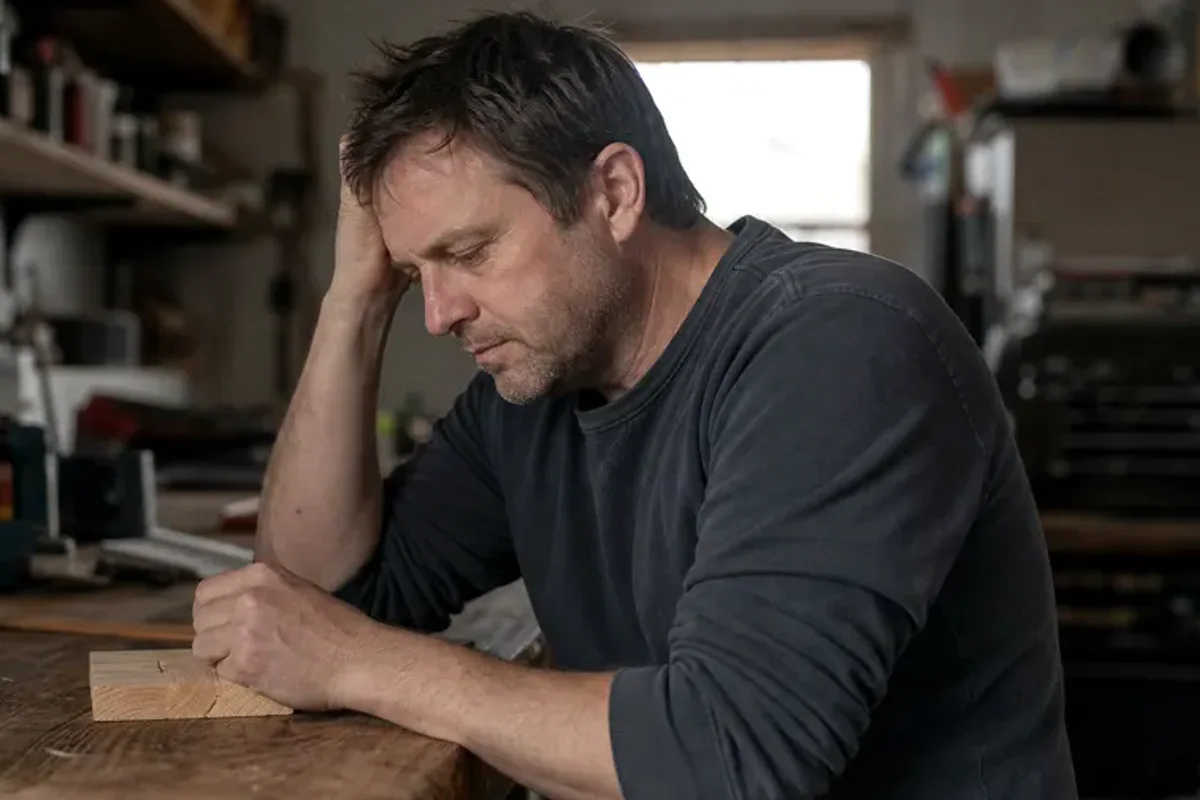
Step 4 of 5
Ask: “What can I fix and learn without declaring myself a mistake?”
- Pause for a few seconds. Check whether this practice feels safe enough right now.
- Ask: “What can I fix and learn without declaring myself a mistake?”.
- Notice what changed in your body or thoughts. Do not grade yourself—collect information.
Quick check after the practice:
- What changed, even by 1%?
- What stayed the same?
- What do you need now: continue, stop, or ask someone for support?
Step 5 of 5
Choose a next step: You Are Not Your Mistakes
You do not have to resolve this whole situation today. You worked directly with “You Are Not Your Mistakes” and chose one possible response.
Choose what fits now:
After this guide
Keep the next step small.
A more flexible self-story that supports action.